December 8, 2025
The prevalence of security cameras has completely reshaped the way we approach safety in homes, businesses, and public areas. These systems are no longer exclusive to high-security zones—they are now integral to everyday protection. Modern security cameras provide more than just recordings; they act as deterrents, evidence collectors, and smart monitoring tools that adapt to different environments. By helping us monitor activity in real-time, security cameras give both individuals and organizations peace of mind. They have become a staple in modern safety strategies, reflecting society’s growing emphasis on proactive measures to prevent crime.
Technology advancements have further increased the relevance of security cameras in daily life. Wireless systems, smart integrations, and AI-powered features allow users to manage surveillance with minimal effort. According to IBISWorld, the security alarm service industry revenue is expected to reach $39 billion in 2025, highlighting the growing demand for these protective technologies. From residential neighborhoods to corporate offices, the adoption of security cameras reflects a shift toward intelligent, automated safety solutions. With improved accessibility and affordability, cameras are now tools that anyone can use to protect what matters most.
The Evolution of Security Camera Technology
Security cameras have evolved dramatically from their early military applications in the 1940s. Initially, these devices were simple tools to monitor weapon tests and secure military installations. Over time, advancements in optics, resolution, and connectivity transformed them into powerful surveillance tools. Modern security cameras now feature high-definition recording, remote monitoring, and smart functionalities that allow seamless integration with other systems. This evolution marks a major shift from basic observation to comprehensive security, enabling both professionals and everyday users to benefit from advanced monitoring.
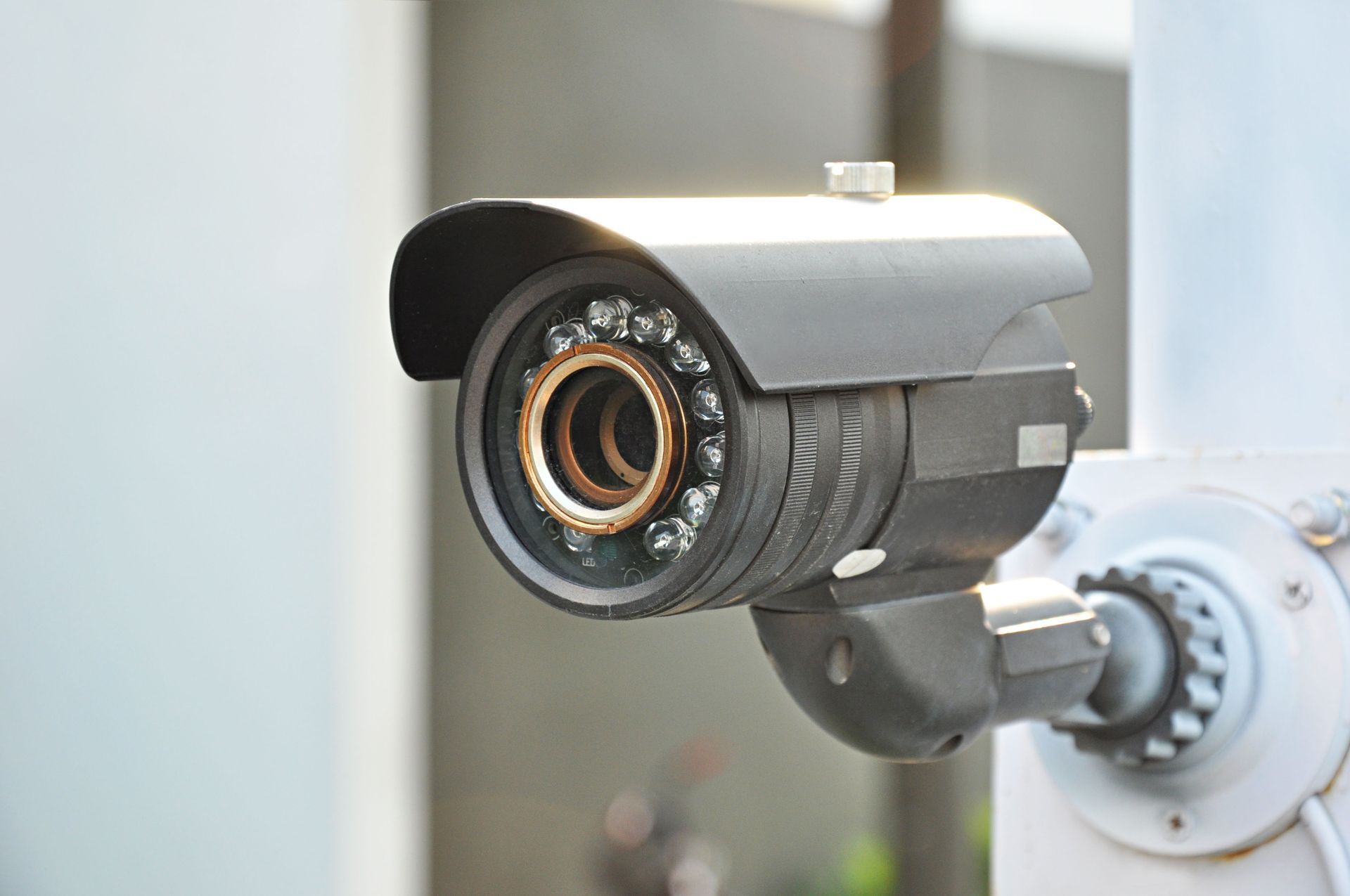
The transition from analog to digital technology was another turning point in security camera history. Digital cameras improved image quality, storage capacity, and remote access, making surveillance more practical and effective. Wireless capabilities further increased flexibility, allowing cameras to be installed in previously inaccessible areas. Today’s systems combine hardware and software innovations, from cloud storage to AI-driven analytics. These technological advancements not only improve efficiency but also expand the possibilities of what security cameras can accomplish, making them versatile tools for homes, businesses, and public spaces alike.
Why Crime Deterrence and Monitoring Matter
One of the most significant benefits of security cameras is their ability to prevent crime before it happens. Simply seeing a camera can make potential offenders think twice, reducing the likelihood of theft, vandalism, or other illegal activity. In residential areas, cameras protect families and property, while in commercial spaces, they safeguard assets and employees. Schools and public areas also use surveillance to maintain order, ensuring the safety of students and visitors. By providing a visible layer of security, cameras help create environments where people feel safer and more confident.
Beyond prevention, security cameras serve as essential tools for monitoring activity and documenting incidents. Motion detection alerts, two-way communication, and remote monitoring features allow users to respond quickly to potential threats. In the event of a crime or accident, recorded footage provides valuable evidence for law enforcement or insurance claims. This dual role of deterrence and documentation reinforces the importance of security cameras as both a preventive and reactive measure. As these technologies become more advanced, their role in protecting people and property continues to grow.
Making Surveillance Accessible and User-Friendly
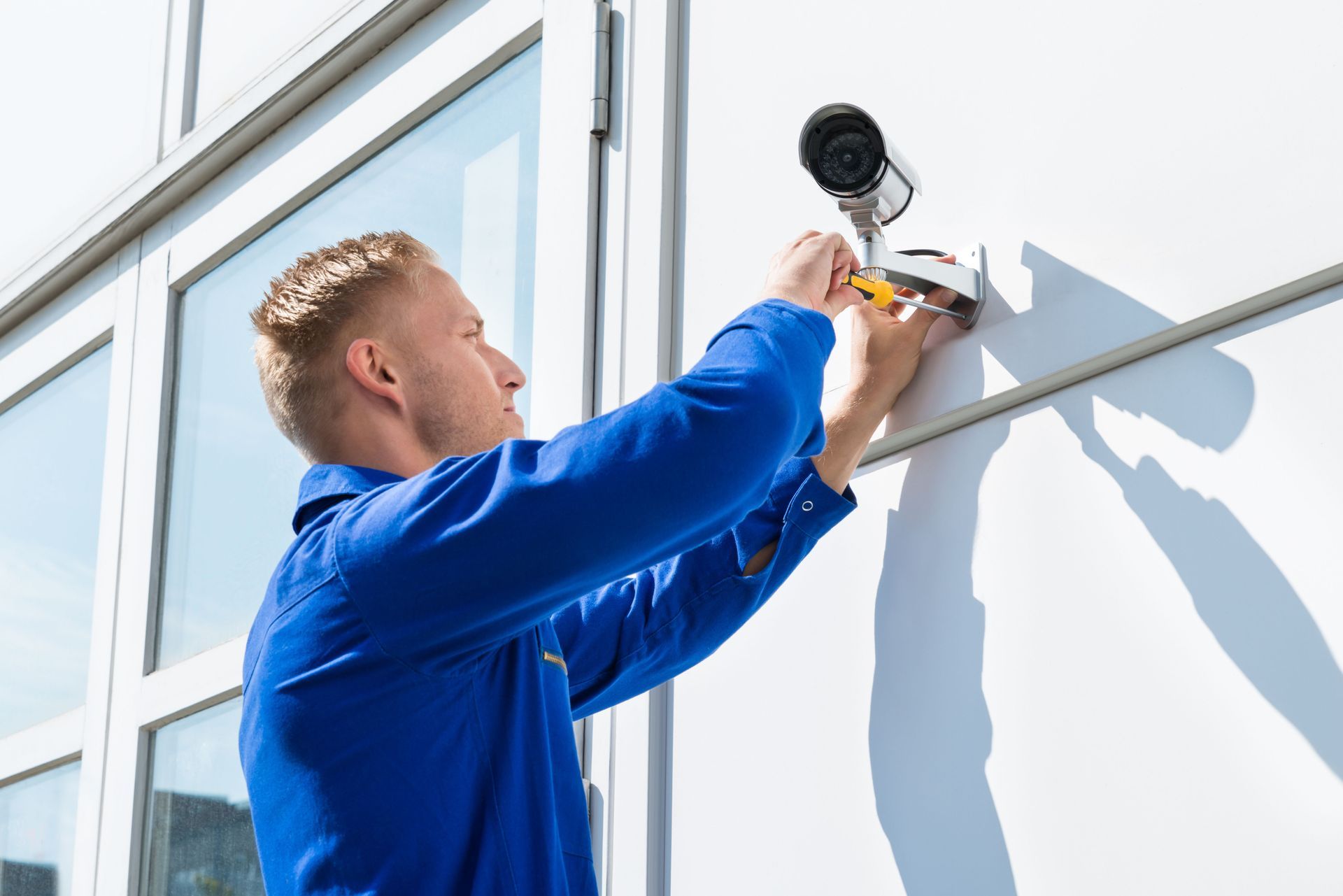
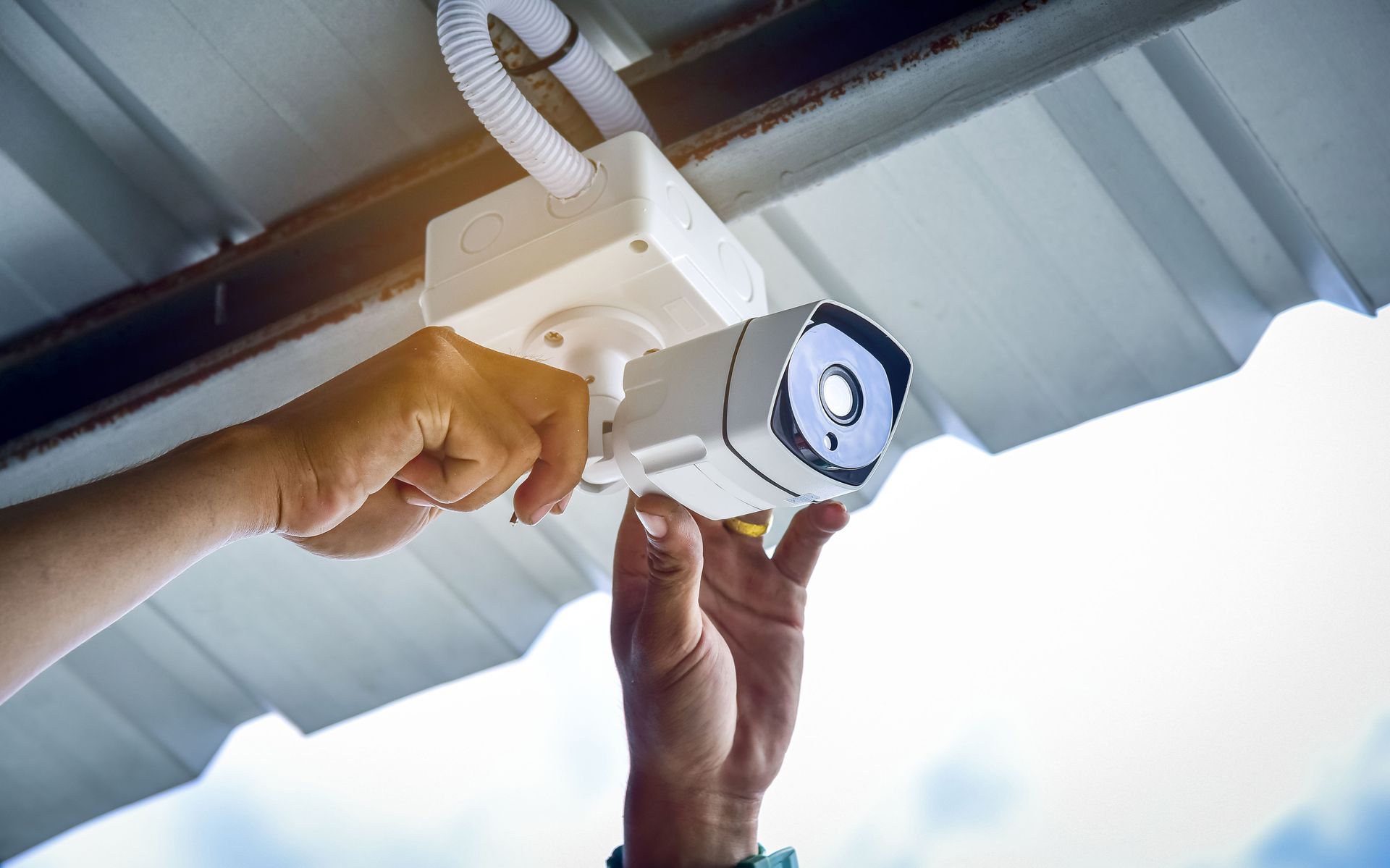
Modern security cameras are designed to be user-friendly and accessible, even for people without technical expertise. Intuitive interfaces, app-based controls, and simplified installation processes allow anyone to monitor their property efficiently. Wireless cameras remove the need for complex wiring, enabling flexible placement across homes, offices, or public areas. With these improvements, surveillance is no longer limited to security professionals; it’s a tool available to homeowners, small businesses, and larger organizations alike. Ease of use has played a major role in increasing adoption and normalizing the presence of security cameras in everyday life.
Smart integration also enhances accessibility by connecting cameras with other devices such as smart locks, lighting systems, and alarms. Remote access allows users to view live feeds, receive notifications, and manage settings from their smartphones or tablets. This convenience means that even while traveling or managing multiple properties, users can maintain peace of mind. The combination of intuitive operation and smart functionality ensures that security cameras are not just effective—they are also practical for real-world use, making high-level surveillance achievable for a wide audience.
Applications Across Residential, Commercial, and Public Spaces
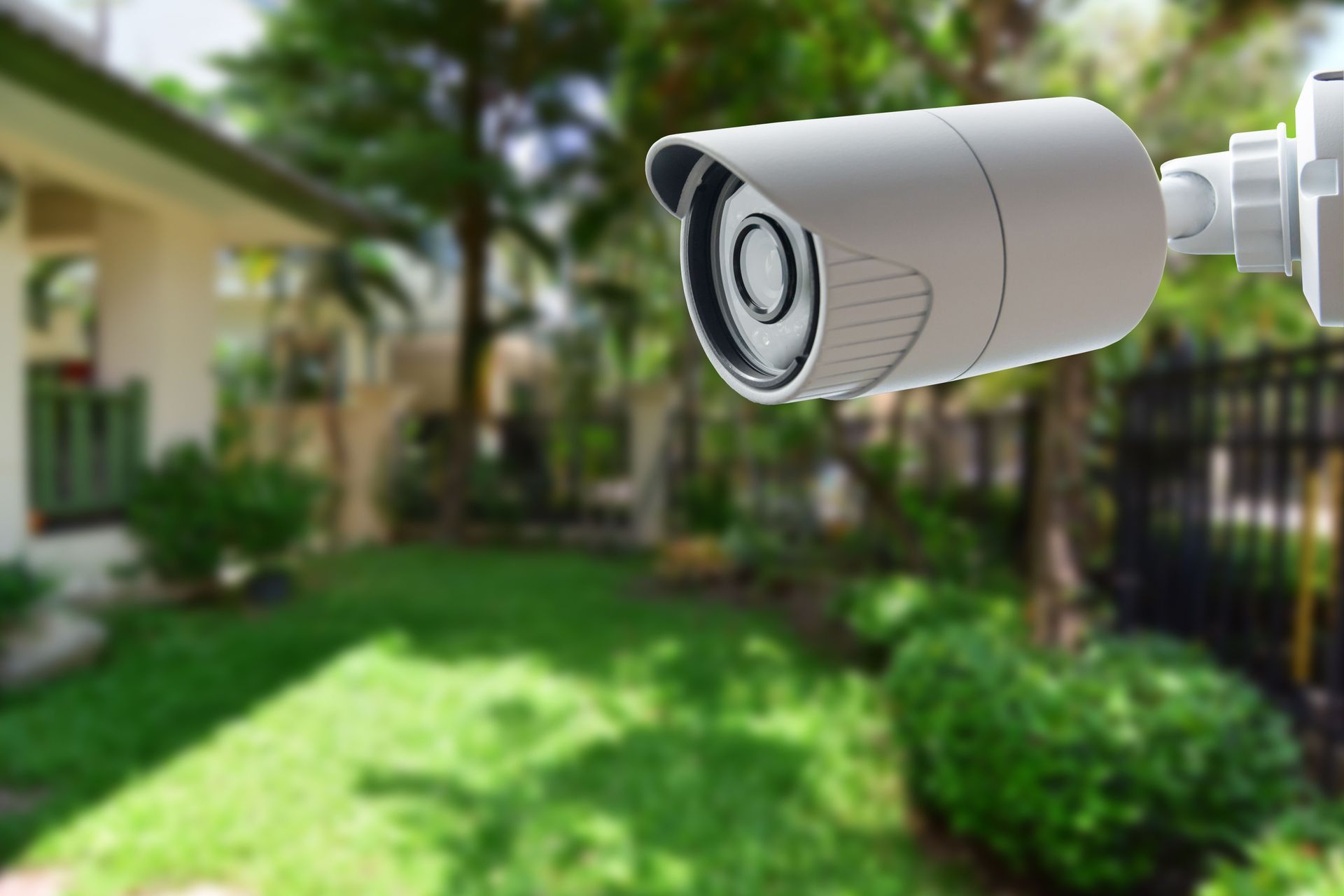
Security cameras are versatile tools that serve a wide range of settings. In homes, they help families monitor entrances, driveways, and sensitive areas, providing protection against intruders. Motion detection, night vision, and two-way communication enhance the effectiveness of these systems, allowing homeowners to respond quickly to potential threats. Residential cameras also integrate with smart home systems, creating automated security solutions that work seamlessly with lighting, locks, and alarms. This level of control gives individuals peace of mind and confidence in their safety measures.
Commercial, industrial, and public spaces also rely heavily on security cameras. Retail stores use cameras to prevent theft and monitor customer behavior, while offices rely on them to secure sensitive information. Public areas, from streets to transportation hubs, benefit from cameras that support law enforcement and enhance overall safety. Industrial sites utilize surveillance to monitor hazardous zones and protect valuable equipment. Across all these settings, security cameras provide both protection and operational benefits, demonstrating their essential role in modern safety strategies.
Balancing Security, Privacy, and Ethics
While security cameras offer significant benefits, they also raise questions about privacy and ethical use. Proper deployment requires awareness of local laws and regulations to avoid overreach and misuse. Organizations and homeowners must balance surveillance needs with respect for individual rights, implementing cameras transparently and responsibly. Policies governing data storage, monitoring practices, and consent are critical for maintaining trust and ensuring cameras are used appropriately. Ethical considerations are becoming increasingly important as surveillance technology advances.
Data security is another critical aspect of ethical use. Cloud storage and networked systems make footage accessible but also vulnerable to hacking. Strong cybersecurity measures, including encryption and access control, are essential to protect recorded information. Public spaces, in particular, face scrutiny regarding monitoring practices and potential privacy infringements. By addressing these challenges responsibly, users can maximize the benefits of security cameras while minimizing risks, creating a safe environment that respects both security needs and individual freedoms.
The Future of Security Cameras
The future of security cameras is focused on smarter, more integrated, and eco-friendly solutions. IoT-enabled devices will communicate with other systems for automated responses, while AI and predictive analytics anticipate potential risks before incidents occur. Autonomous drones may extend coverage to hard-to-reach areas, and sustainable designs like solar-powered cameras reduce environmental impact. These innovations indicate that security cameras will continue to evolve, offering more effective protection and convenience for users across all sectors.
As technology advances, the possibilities for security cameras are virtually limitless. Enhanced analytics, biometric integration, and real-time alerts will make surveillance more precise and responsive than ever before. Smart, connected systems will allow for proactive management of security risks, while sustainability efforts ensure environmentally responsible adoption. Security cameras are not just tools—they are essential partners in safeguarding our spaces, improving operations, and supporting ethical, responsible monitoring. Protect your property with confidence and the latest technology by contacting Holmes Surveillance today.