April 7, 2026
Ensuring security and peace of mind in our homes has become increasingly important in today's world. Home security cameras are a crucial component in safeguarding your property. This article will guide you through assessing your home security camera needs, helping you make informed decisions to protect your home effectively.
Understanding the Different Types of Home Security Cameras
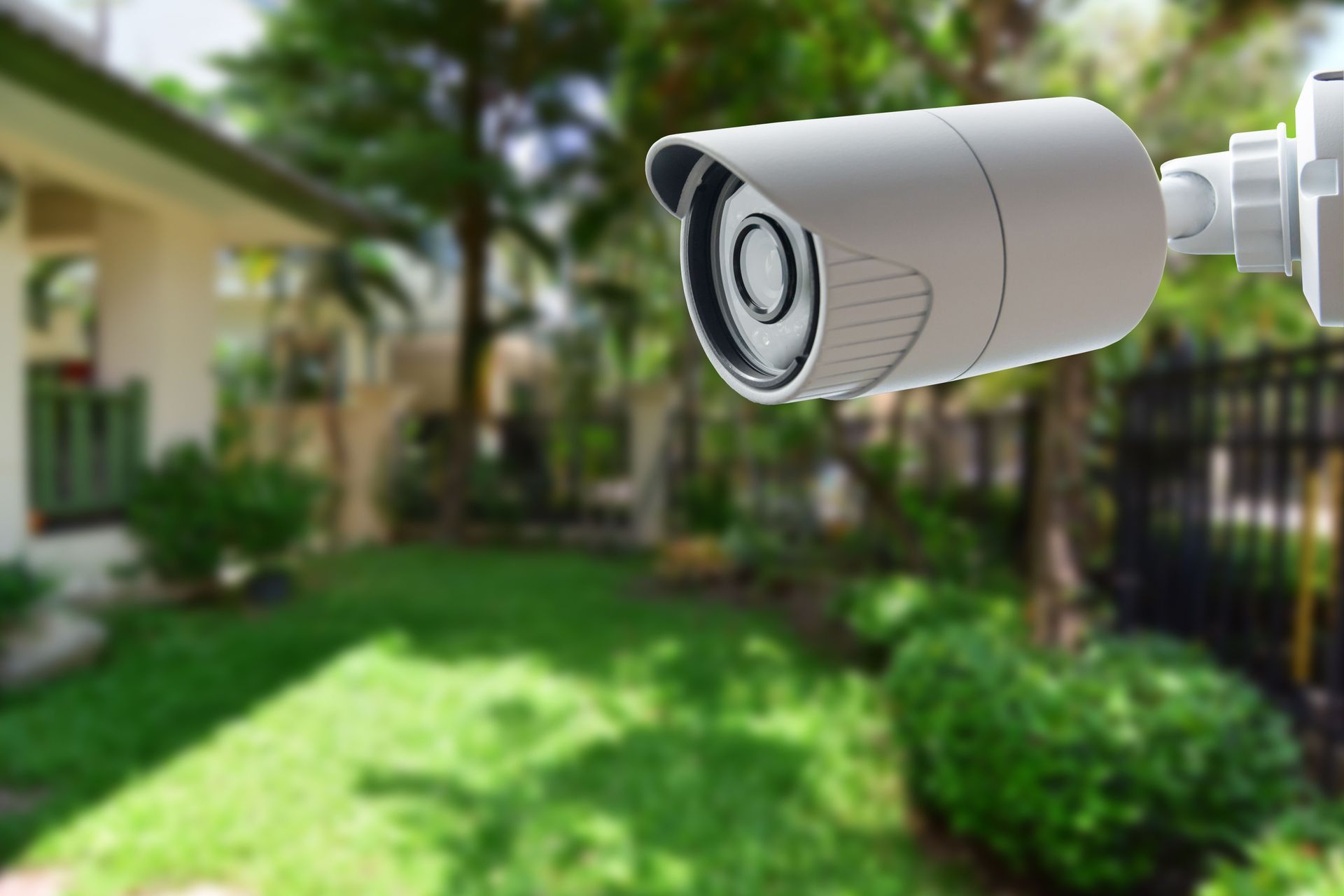
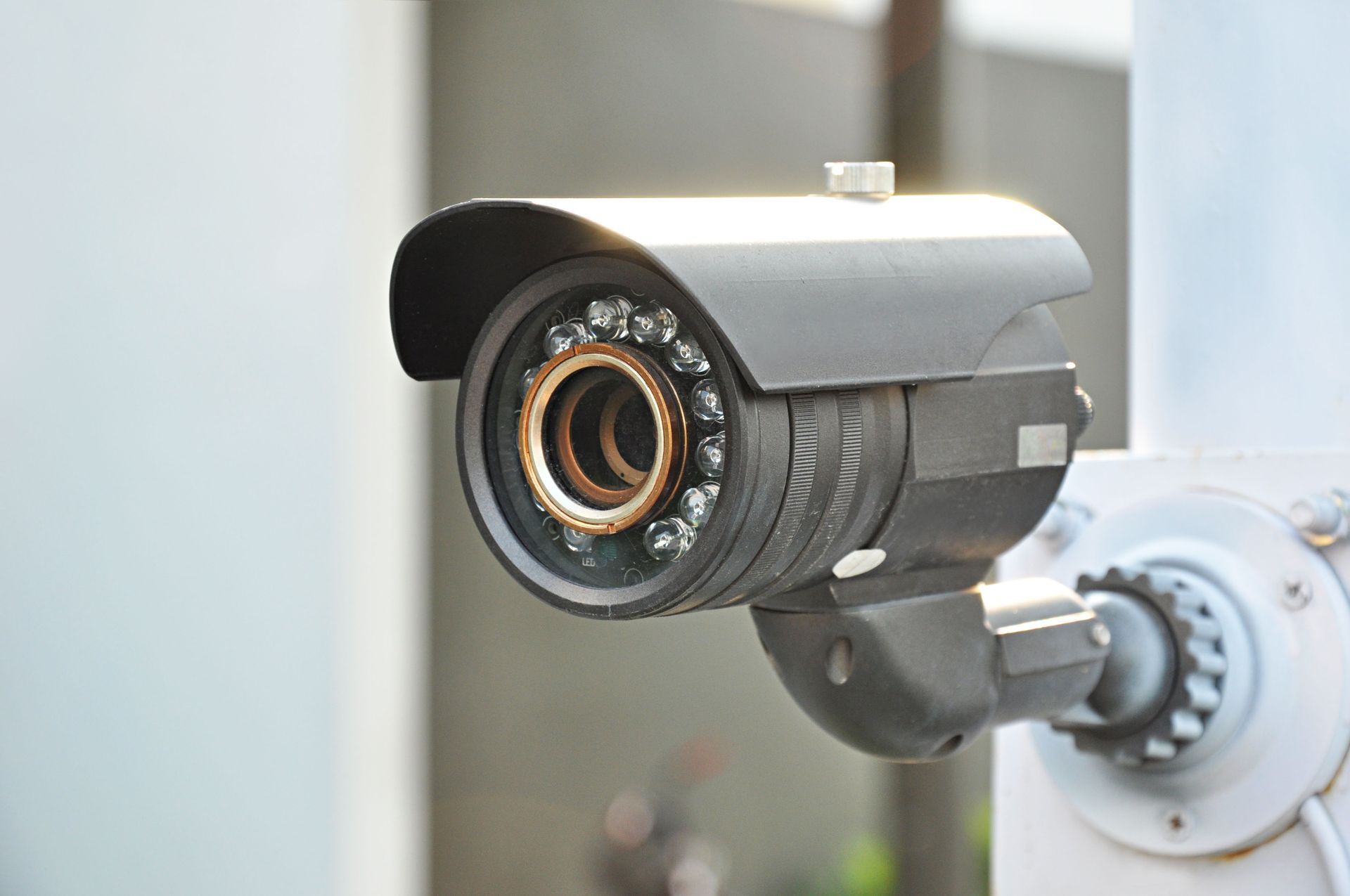
When considering a home security camera, it is vital to differentiate between indoor and outdoor cameras. Indoor cameras are typically designed to monitor interior spaces, capturing footage of hallways, living rooms, and other internal areas. These cameras are generally smaller and more discrete, ensuring they blend in with home decor. In contrast, outdoor cameras are built to withstand harsh weather conditions such as rain, snow, and direct sunlight. They often come with features like night vision, and motion detectors, and are more robust than their indoor counterparts.
One of the main considerations when selecting between indoor and outdoor cameras is their placement. Outdoor cameras are strategic for main entrance monitoring, driveway surveillance, and backyard security. Proper placement is crucial to optimize coverage and ensure that all potential entry points are observed. Achieving this goal might mean installing multiple units to cover larger areas effectively. Additionally, various outdoor cameras come equipped with higher resolution lenses to capture more precise and detailed images, which can aid in identifying intruders.
Moreover, the power source of these cameras also differs. Outdoor cameras often require a more stable power source because they tend to operate continuously. This is where the decision between wired and wireless setups comes into play. With evolving technology, many homeowners are opting for wireless outdoor cameras due to ease of installation and maintenance. These cameras provide greater flexibility in camera placement and are often more resilient in the case of a power outage.
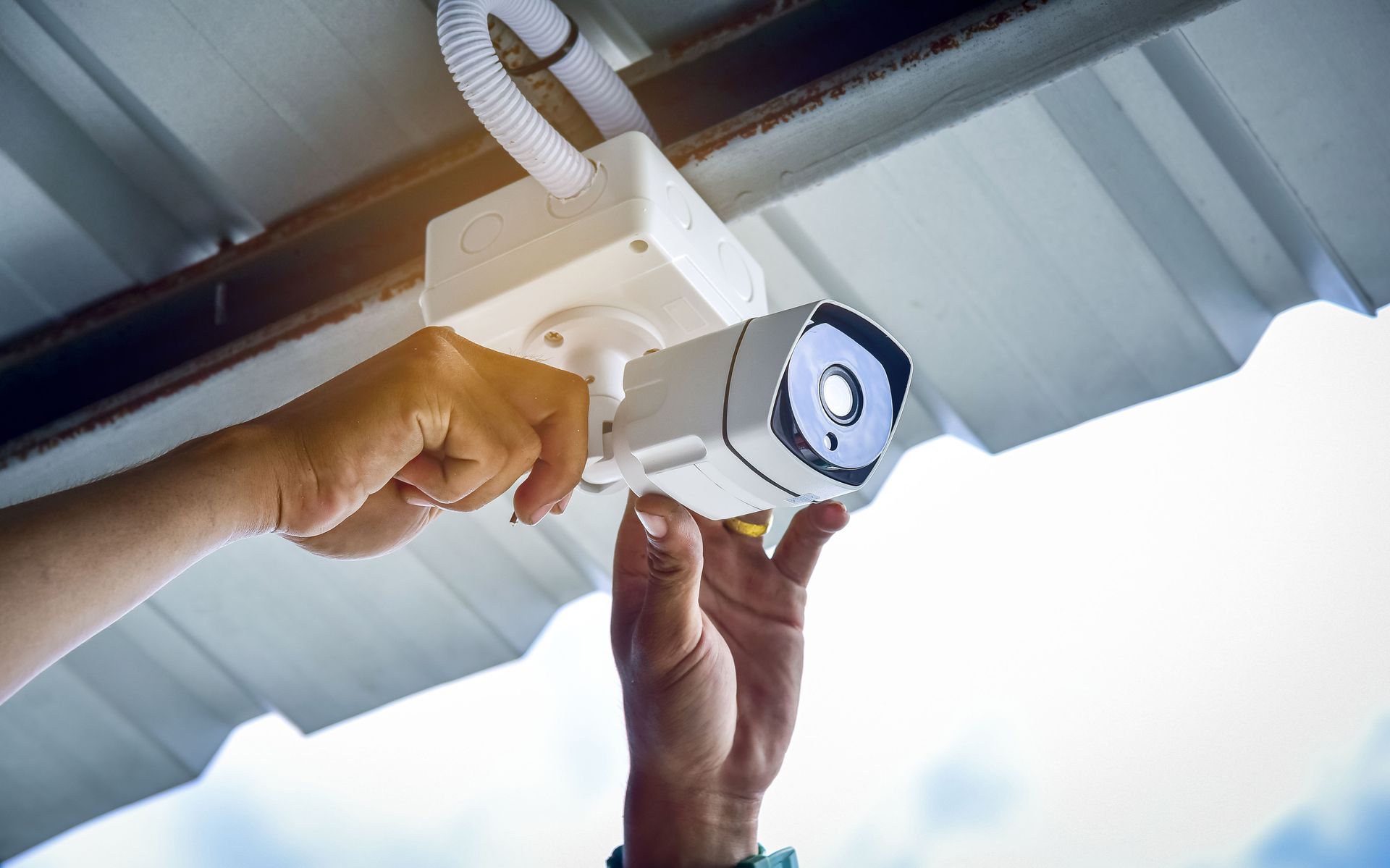
Choosing between wired and wireless cameras is another crucial decision when setting up a home security system. Wired cameras are directly connected to a recording device or monitor, providing a reliable, uninterrupted feed. These systems are generally more stable as they aren't susceptible to interference from other wireless devices. However, they require meticulous installation and a significant amount of cabling, which might not be ideal for every home.
Wireless cameras, on the other hand, offer ease of use and an easier installation process. They connect to a home's Wi-Fi network and can be accessed remotely through smartphones or computers. This flexibility is particularly beneficial for renters or those wanting to avoid the hassle of intrusive installations. According to Consumer Affairs, an estimated 13 million homes were set to install security systems in 2024, and wireless options provided a practical, scalable solution for this growing demand.
Despite their benefits, wireless cameras have certain drawbacks. They typically rely heavily on your home's internet connection, which can affect image quality and reliability if the network is weak or overloaded. Battery life also becomes a consideration with wireless setups, as cameras need to be recharged or batteries replaced regularly. Homeowners should weigh these factors carefully when deciding between the reliability of wired systems and the convenience of wireless solutions.
Evaluating Your Specific Security Needs
Evaluating the layout of your property is essential in determining the type and number of security cameras you'll need. Start by considering the size of your property, noting all entry points, pathways, and vulnerable areas. Larger properties, with multiple entry points and extensive grounds, might require additional coverage, potentially involving a mix of indoor and outdoor cameras. Considering this, PTZ cameras could be beneficial for expansive properties due to their wide coverage abilities.
Mapping out your property allows you to identify the ideal placements for each home security camera. It helps in prioritizing high-risk areas first, such as doors, windows, and driveways. Identifying these points allows you to optimize camera placements for the best coverage, reducing the risk of blind spots. Furthermore, positioning outdoor cameras in elevated, strategic spots can maximize their field of view while making them harder to tamper with.
Evaluating the layout also includes considering environmental factors, such as lighting and weather conditions. Proper lighting can enhance camera performance, especially for night vision capabilities. Moreover, cameras that are exposed to harsh weather conditions might need additional protection like weatherproof housings, ensuring they function optimally in any condition.
Identifying vulnerable areas is a key step in developing an effective home security strategy. Not all areas of a home are equally susceptible to breaches; typically, entry points such as front and back doors, garage doors, and ground-floor windows are considered high-risk zones.
Certain factors can further increase susceptibility, such as high-value decor visible from windows or an isolated property location. Areas not in direct view from the street or neighbor's property might also need additional focus. Establishing lines of sight from cameras to these vulnerable spots can greatly enhance security by capturing potential threats early. Furthermore, high-traffic areas inside a home, like hallways, can serve as choke points for capturing intruders on camera.
It's also wise to consider spots with limited visibility, such as dark corners or areas obscured by foliage. These patterns of movement through a property should inform camera placements to ensure coverage of typically overlooked spaces. Comprehensive layout analysis and strategic camera placement significantly increase a security system's effectiveness, offering reliable monitoring of vulnerable areas.
Budgeting for Your Security Camera System
Setting a realistic budget for your home security camera system is one of the initial steps in the purchasing process. To do this, homeowners should begin by researching the costs associated with different types and brands of cameras. While getting an understanding of market prices, you should also identify which features are essential and which are considered luxuries. This knowledge will guide you in making more informed financial decisions tailored to your specific requirements.
A comprehensive budget should account not only for the upfront costs of equipment but also for longer-term expenses such as installation, maintenance, and potential future upgrades. Depending on the complexity of your layout and the type of cameras chosen, installation costs can vary significantly. Including these in your initial budget ensures that there won't be any unforeseen financial burdens.
Consider setting aside a portion of your budget for unexpected expenses or expansions. This could include purchasing additional cameras for areas overlooked during the initial setup or upgrading to cameras with more advanced features.
When budgeting, striking a balance between cost and features is critical. Different cameras offer a wide variety of capabilities, from high-definition video and night vision to motion detection and remote monitoring.
It's important to weigh the benefits each feature provides against its cost. For instance, while 4K resolution might provide crystal-clear images, it may not be necessary for all applications and could be replaced with a quality 1080p option. Similarly, cloud storage plans might offer more convenience but can incur ongoing costs that could strain a budget.
Moreover, consider the longevity and reliability of the product as part of the value equation. A slightly more expensive camera with a solid warranty and excellent customer reviews might ultimately offer better long-term value than a cheaper, less reliable option.
Taking the time to evaluate your property layout, safety concerns, and monitoring preferences will help you choose the right
home security camera for your needs. A well-planned system not only deters potential threats but also provides peace of mind for you and your family. By investing in the right features and professional guidance, you can create a more secure living environment. If you are ready to enhance your home's protection, contact Holmes Surveillance today to explore your options and get started.